Welcome to OLIFE

What we do

Local solutions. Lasting strength.

These areas reflect OLIFE’s statutory objectives. They guide project development and partnerships, with priorities shaped by community needs, local capacity and available resources.

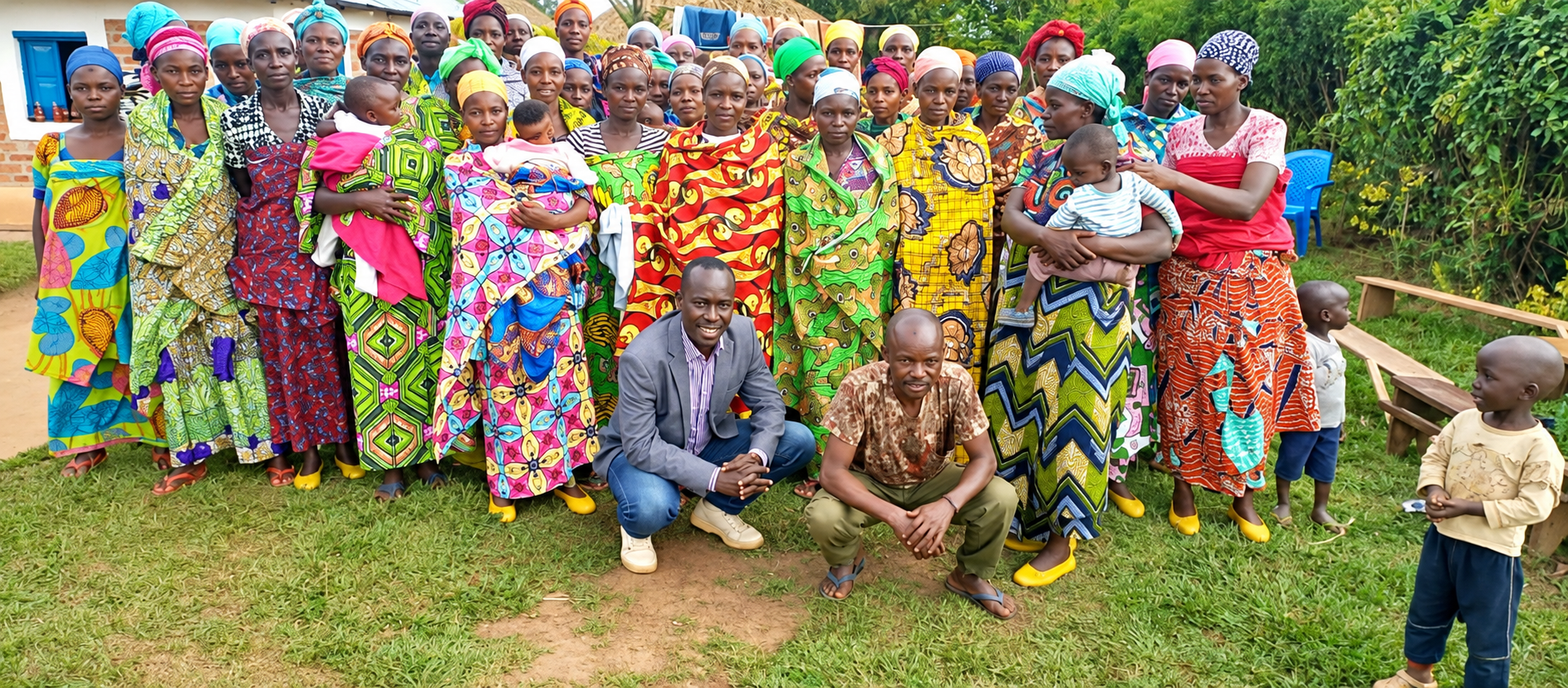
OLIFE community program participants
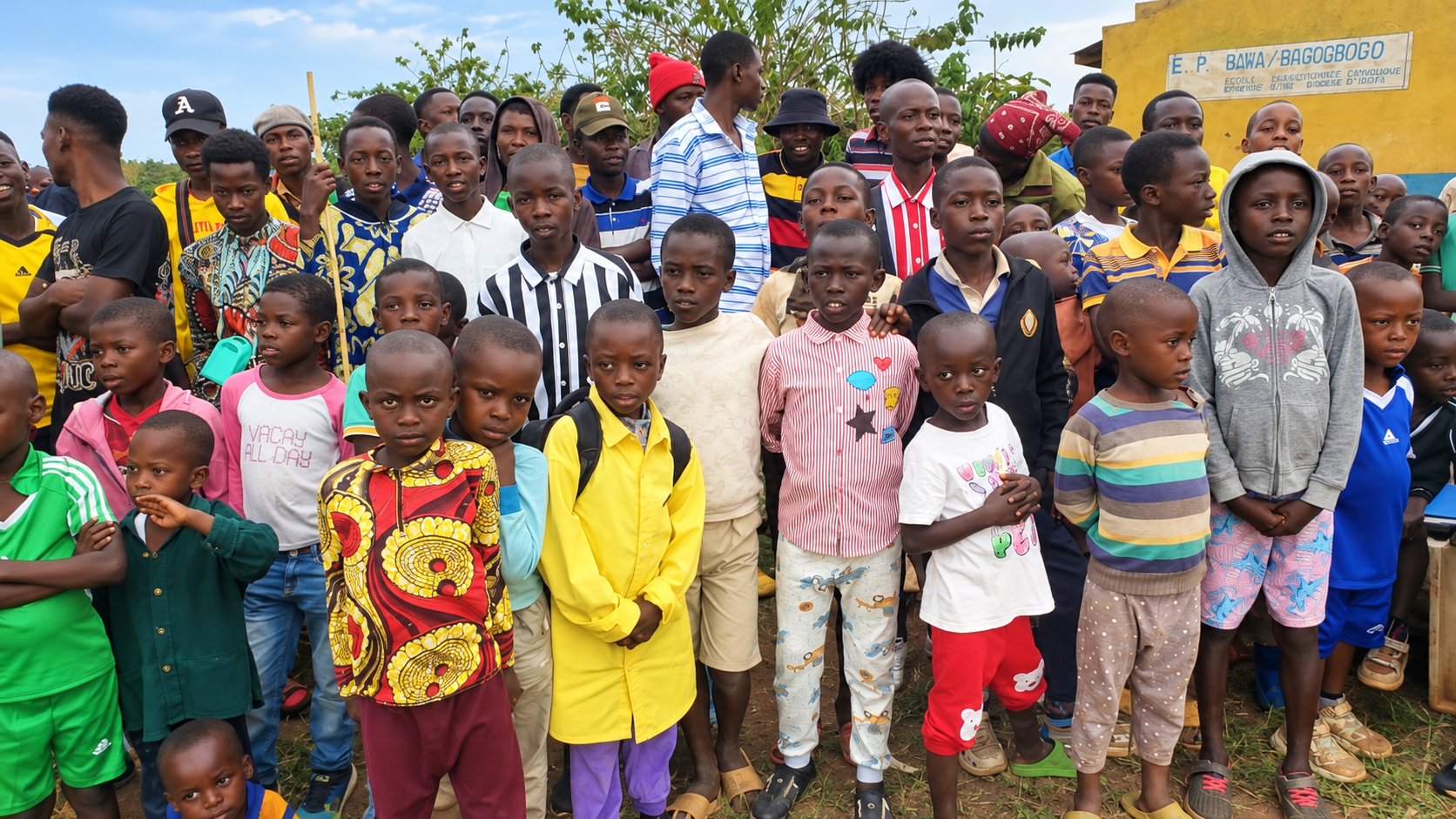
Education & Child Protection
01

Education & Child Protection

Quality education, safe and inclusive schools, access to health and social protection, and prevention of violence, exploitation, neglect and discrimination against children.

Our approach

  • Promote access to school and help children remain in safe, inclusive learning environments.
  • Connect education with health, social protection and awareness of children’s rights.
  • Prevent violence, exploitation, abandonment, neglect and discrimination.
Health & Maternal, Newborn and Child Wellbeing
02

Health & Maternal, Newborn and Child Wellbeing

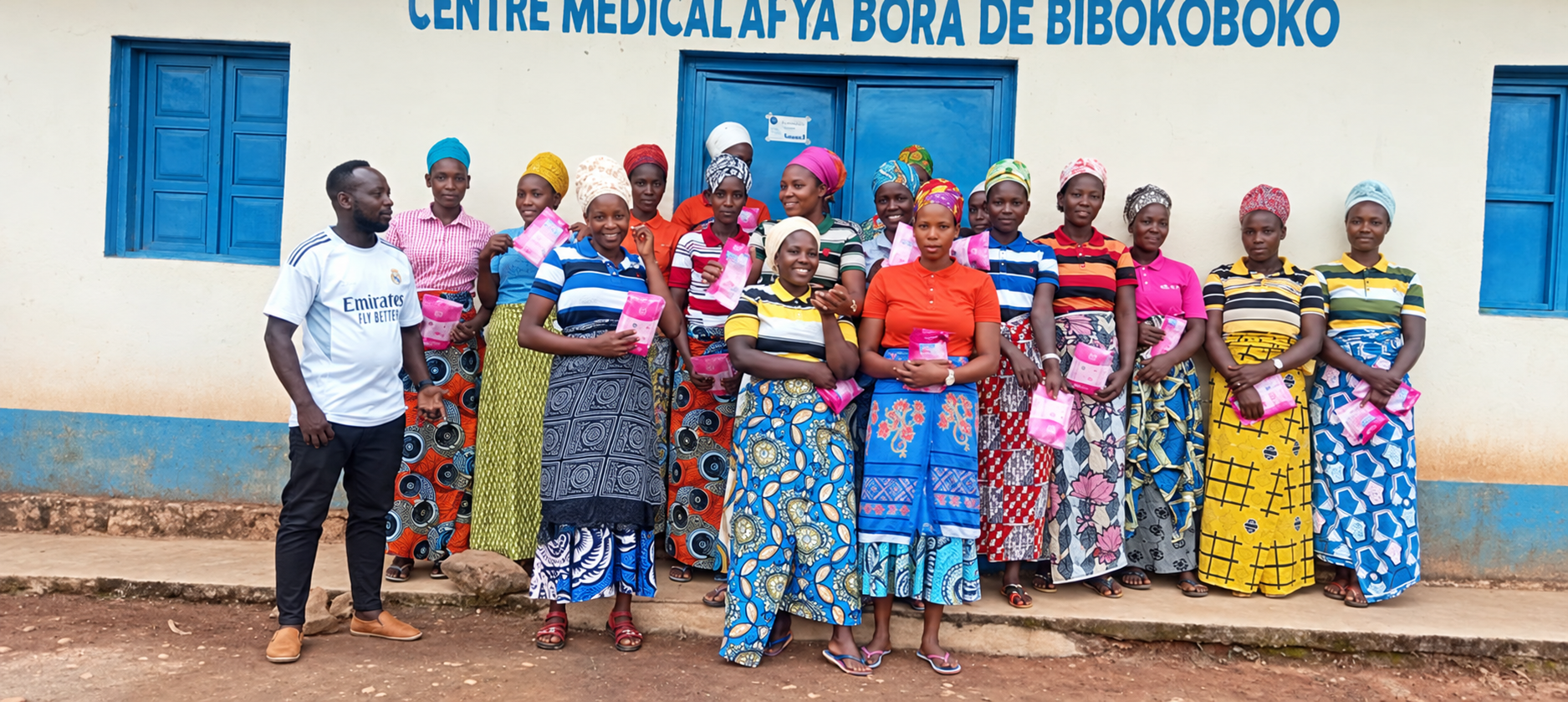
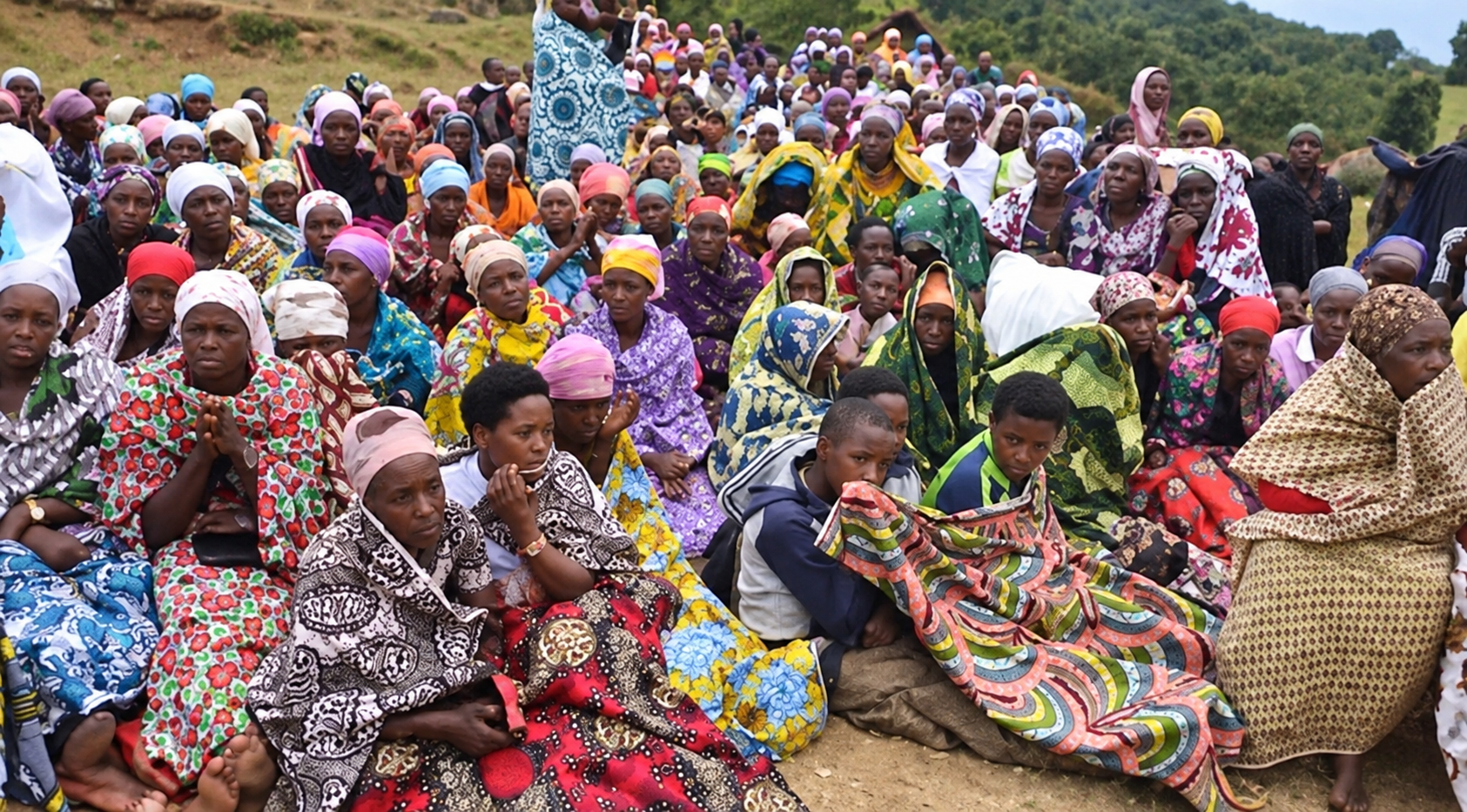
Community health awareness, improved access to care, prenatal and postnatal consultations, and safe childbirth in appropriate health facilities are priorities in OLIFE’s mandate.

Our approach

  • Raise community awareness of maternal, newborn and child health.
  • Encourage prenatal and postnatal consultations and childbirth assisted in appropriate facilities.
  • Work with health actors to improve access to care and reduce preventable maternal and infant deaths.
Women’s Empowerment & Gender Equality
03

Women’s Empowerment & Gender Equality

Vocational skills, entrepreneurship, economic opportunities and women’s leadership strengthen equitable participation in community life and decision-making.

Our approach

  • Develop vocational skills, entrepreneurship and income-generating opportunities.
  • Promote equal access to education, employment, technology and economic participation.
  • Strengthen women’s leadership and meaningful involvement in decision-making.
Youth Leadership & Employability
04

Youth Leadership & Employability

Ethical leadership, mentorship, vocational learning, entrepreneurship and civic engagement help young people contribute to their communities.

Our approach

  • Build responsible and ethical leadership through training and practical learning.
  • Support employability, entrepreneurship and civic participation.
  • Create opportunities for young people to exchange experience and contribute to peace and local development.
Innovation, Digital Skills & Responsible AI
05

Innovation, Digital Skills & Responsible AI

Digital education, practical workshops, technological skills and ethical AI learning help reduce the digital divide and prepare communities for new opportunities.

Our approach

  • Reduce barriers to digital education and technological skills.
  • Use training, practical workshops and support to build confidence with modern tools.
  • Promote ethical learning and use of artificial intelligence for community challenges.
Humanitarian Support & Refugee Inclusion
06

Humanitarian Support & Refugee Inclusion

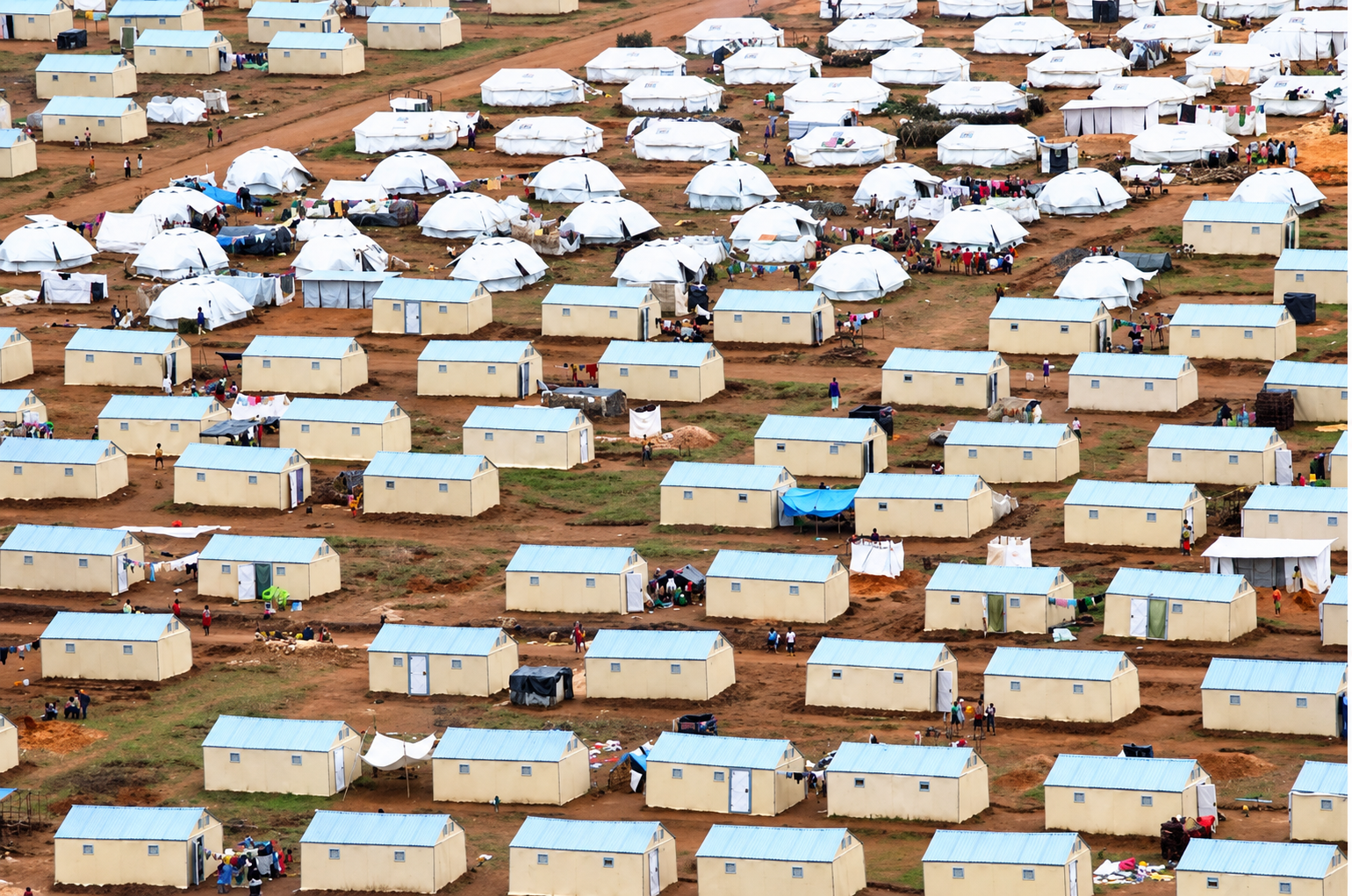
The mandate includes essential needs in health, education, nutrition, water, sanitation, shelter and social protection, alongside integration, autonomy and resilience for refugees and displaced people.

Our approach

  • Respond to essential needs in health, education, nutrition, water, sanitation, shelter and protection.
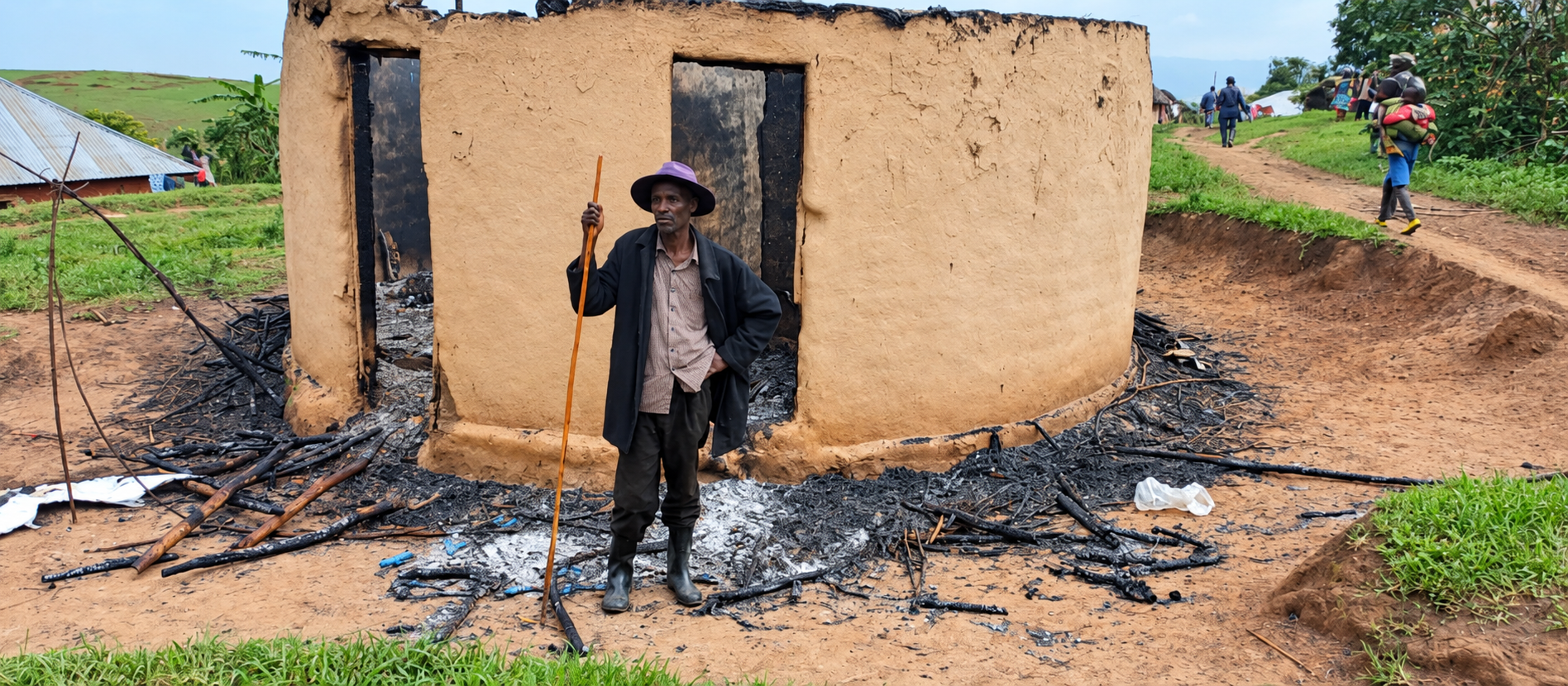
  • Support refugees, internally displaced people and communities affected by conflict or disaster.
  • Connect immediate assistance with inclusion, autonomy and resilience.
Peace, Dialogue, Sport & Culture
07

Peace, Dialogue, Sport & Culture

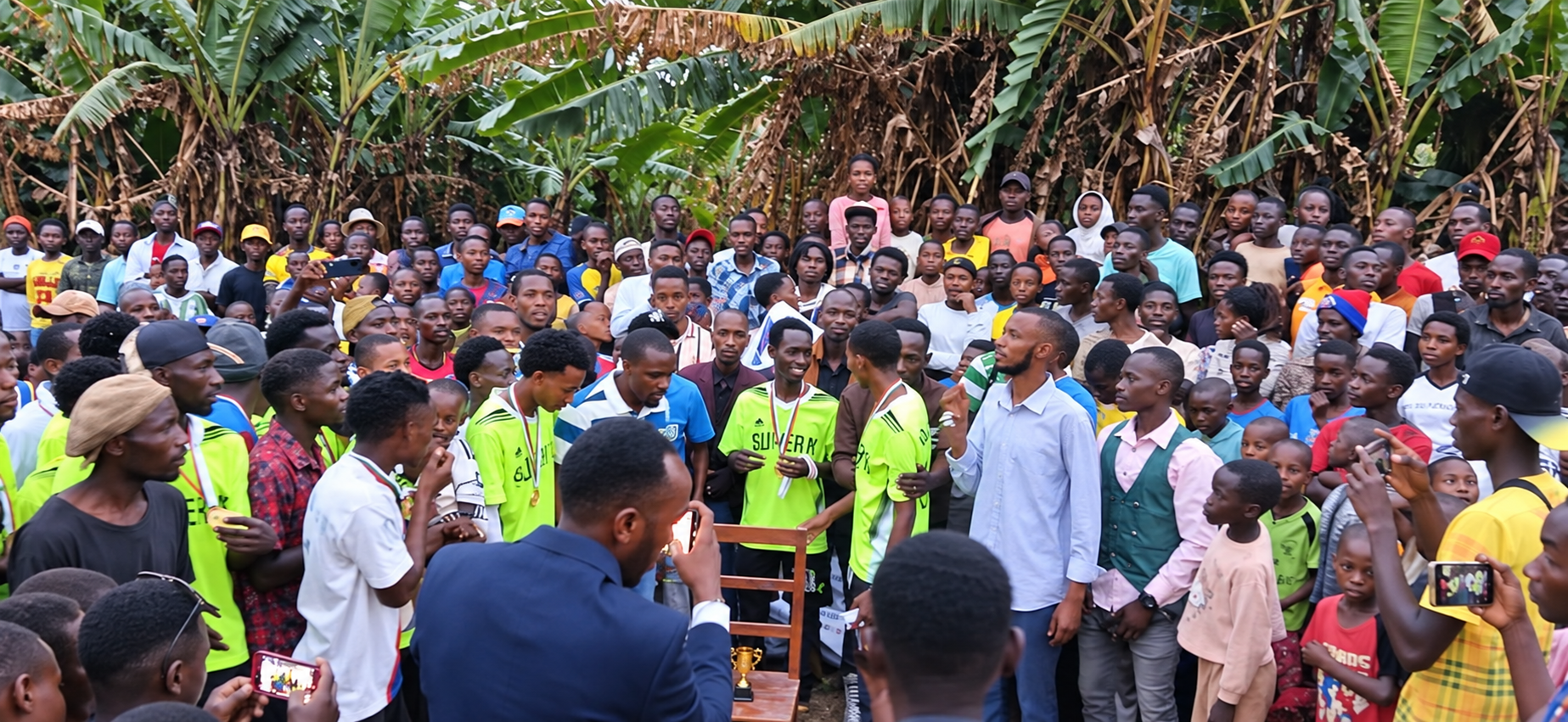
Community dialogue, mediation, reconciliation, art, cultural exchange and sport promote coexistence, social cohesion and conflict prevention.

Our approach

  • Create spaces for dialogue, mediation, reconciliation and mutual understanding.
  • Use sport, art, culture and recreation to bring different communities together.
  • Prevent violence, hatred, discrimination, exclusion and extremism.
Clean Water & Sanitation
08

Clean Water & Sanitation

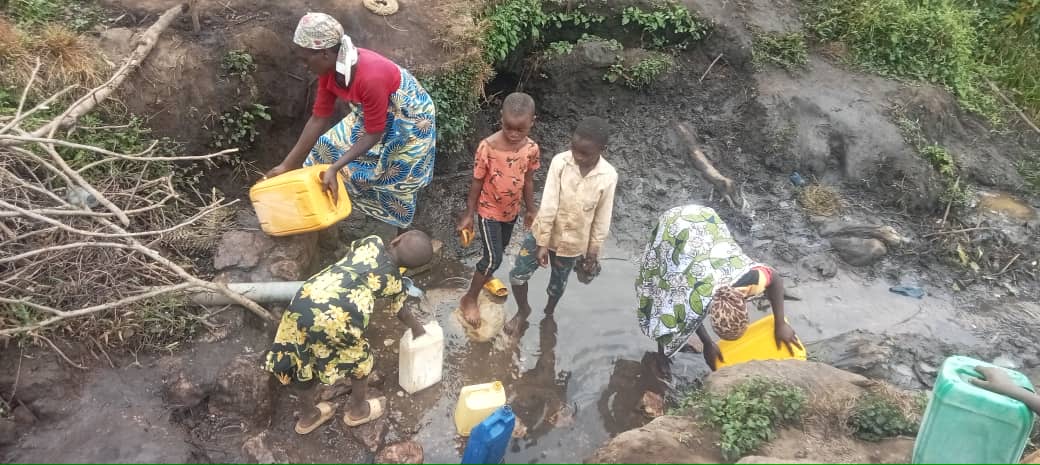
Safe water, source protection, hygiene and sanitation connect essential services with healthier communities.

Our approach

  • Promote access to safe water, hygiene and sanitation as essential community needs.
  • Support community awareness and locally appropriate approaches to water access and source protection.
  • Connect WASH priorities with health, dignity and environmental responsibility.
Food Security & Sustainable Livelihoods
09

Food Security & Sustainable Livelihoods

Sustainable agriculture, local economic development and income-generating activities support food security and greater community autonomy.

Our approach

  • Promote sustainable agriculture and stronger local food security.
  • Develop skills, entrepreneurship and activities that generate income.
  • Strengthen local economic opportunities and sustainable livelihoods.
Environment & Climate Resilience
10

Environment & Climate Resilience

Environmental education, reforestation, erosion prevention, ecosystem restoration and responsible natural-resource management support adaptation and resilient communities.

Our approach

  • Promote reforestation, erosion prevention and restoration of ecosystems.
  • Encourage biodiversity conservation and sustainable management of natural resources.
  • Build environmental awareness, climate adaptation and community resilience.

How we work

Local priorities guide practical action.

01

Listen & identify

Community knowledge and participation help identify needs, barriers and opportunities.

02

Build capacity

Leadership, education, skills and innovation strengthen people’s ability to act.

03

Collaborate

Public institutions, civil society, universities, businesses and technical partners can contribute complementary expertise.

04

Learn & account

Reporting, financial stewardship and collective oversight support responsible use of resources and better decisions.

Community-led. Dignity-centered. Built for lasting change.